- Home
- Professionals
- Residency Programs and Fellowships
- Pharmacy Residency
- Pharmacy Residency in Kansas City
- Medication-Use Safety and Policy Pharmacy Residency


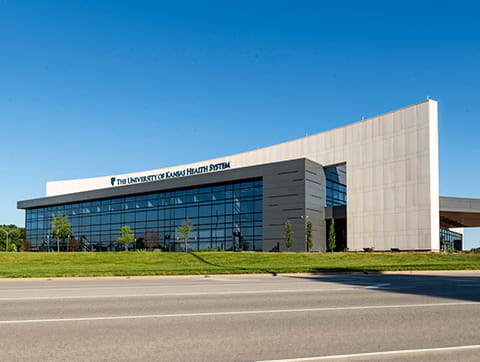
The new Quivira Ambulatory Surgery Center expands access to specialty surgical care.
Search our care options by diagnosis, treatment type or medical specialty.
Explore Specialties & Care
From common infections to rare diseases, we have the experts and leading-edge care.
Get guidance for scheduling an appointment, visiting a hospital, paying a bill and more.
Explore Patients & Visitors
Get the information you need to navigate your appointment or visit.

The University of Kansas Health System offers a 25-month residency program specializing in medication-use safety and policy (MUSP). This program is designed to provide a strong clinical experience and allows residents to play an integral role in ensuring the appropriate, safe and cost-effective use of medications for health system patients.
The first year is incorporated into the PGY1 Pharmacy residency program and PGY1/2 MUSP residents receive a certificate from the PGY1 Pharmacy program after successful completion of the PGY1 year. The second year will build on the resident’s clinical knowledge by focusing on advanced training in safe medication-use practices and process improvement as a member of an interdisciplinary team focusing on patient safety and formulary management at the health system.
The resident will gain experience in the following methodologies:
Refer to the PGY1 Pharmacy Residency for details on the PGY1 year. The PGY2 medication-use safety and policy residency program is tailored to the interests and career goals of each resident.
Elective rotation options include:
PGY2 residency programs build upon a Doctor of Pharmacy (PharmD) education and PGY1 pharmacy residency training to develop pharmacist practitioners with knowledge, skills and abilities as defined in the educational competency areas, goals and objectives for advanced practice areas. Residents who successfully complete PGY2 residency programs are prepared for advanced patient care or other specialized positions and board certification in the advanced practice area, if available.
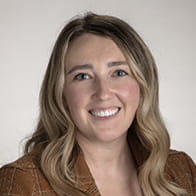
Amanda Grady, PharmD, BCPS, DPLA
(she/her/hers)
Pharmacist supervisor, drug information/formulary management
PGY1 year: Refer to PGY1 Pharmacy Residency.
PGY2 year: In the second year, the resident will staff approximately every 4th weekend.
Staffing area varies based on availability and resident’s interest.
Application information: Refer to the ASHP Residency Program Directory for required application materials and due dates.
PGY2 Medication-Use Safety and Policy Supplemental Residency Manual
National Matching Services (NMS) code: 531577
We are an equal employment opportunity employer without regard to a person’s race, color, religion, sex (including pregnancy, gender identity and sexual orientation), national origin, ancestry, age (40 or older), disability, veteran status or genetic information.