



February 05, 2026
A rare disease is a disease, disorder, illness or condition that affects fewer than 200,000 people. Combined, all rare diseases, sometimes referred to as orphan diseases, are one of the most common groups of diseases in the country. In fact, 1 in 10 Americans is affected by a rare disease.
While each rare disease is uncommon in frequency, collectively there are about 10,000 rare diseases, according to the National Organization for Rare Disorders (NORD). By visiting the NORD website, you can get information on 64 categories of rare diseases.
Some diseases listed vary in frequency from rare to ultrarare, affecting as few as 100 people, to as many as several thousand people in the US. Rare diseases collectively affect more than 30 million Americans. Based on the 2025 U.S. population estimate of 341.1 million, rare diseases affect approximately 10% of Americans.

NORD Rare Disease Center of Excellence
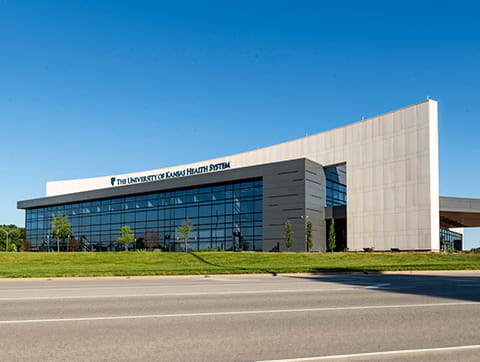
The University of Kansas Health System, along with Children’s Mercy and the University of Kansas Medical Center, are designated a NORD® Rare Disease Center of Excellence by the National Organization for Rare Disorders (NORD®).
The designation recognizes Children’s Mercy, the health system and medical center leadership in providing expert, multidisciplinary care and advancing research for the more than 30 million Americans living with rare diseases.
As a NORD Rare Disease Center of Excellence, we will work with our rare disease families to promote existing and new clinical care programs, advance diagnostics and therapies leveraging programs such as the Genomic Answers for Kids and the Institute for Advancing Medical Innovation and enhance transition of care pathways.
About rare diseases
Rare diseases can be challenging for your healthcare providers for many reasons. This is true not only because they are rare but also because their symptoms can vary. These key factors make most doctors unfamiliar with these conditions. This often leads to delays in diagnosis, which impacts early treatment intervention.
For accurate diagnosis and treatment, rare diseases should be evaluated by specialists at large academic medical centers, such as The University of Kansas Health System. In neurosciences alone, rare diseases include amyotrophic lateral sclerosis (ALS), spinal muscular atrophy (SMA), Guillain-Barre syndrome (GBS), chronic inflammatory demyelinating polyneuropathy (CIDP), muscular dystrophies, inclusion body myositis, other myositis, myasthenia gravis, Pompe disease, Fabry disease, hereditary transthyretin amyloidosis and others.
While some rare diseases are due to rare infections, rare cancers or some autoimmune diseases, most are genetic or inherited in nature. Genetic or inherited diseases are due to a variety of changes in the human genes. As with other inherited traits, disease transmission can be dominant, recessive or X-linked. They can be challenging to diagnose.
The diagnostic journey can take several years before an accurate diagnosis. At large academic centers, such as ours, specialists in heart, liver, neurologic system, kidney and genetics care – among others – often establish the diagnosis. Knowledge of and access to complex diagnostic tools can reduce the diagnostic journey length. A correct diagnosis can be a relief for patients and their loved ones. But it is also the beginning of designing and refining the best individualized treatment plan for each patient.
After a diagnosis is made, the focus shifts from knowing the cause of the disease to developing an appropriate and customized care plan including available treatment, care coordination and opportunities to participate in clinical research. Because rare diseases affect multiple organ and body systems, patients benefit from coordinated care from a team of specialists who work together to address all aspects of a patient’s care.
At The University of Kansas Health System and University of Kansas Medical Center, someone with ALS, for example, will work with a large care team consisting of the doctor, doctor-in-training, clinical nurse, physical therapist, occupational therapist, respiratory therapist, nutritionist, social worker, adaptive and respiratory device representative, patient advocacy group representative and research coordinator.
In addition to supportive care, some people with rare diseases benefit from FDA-approved, targeted, novel therapies and many are offered research participation in leading-edge therapy such as gene therapy or CAR T.
Research studies are ongoing in many rare diseases. This work is done to improve on currently approved treatments and to discover new treatments where none are available. These studies not only offer hope to people with rare diseases, but make early diagnosis even more critically important. We offer patients with rare disease unique access to leading-edge research, some of which is not available at other academic medical centers.
It still holds true that management of many rare diseases is limited to supportive care. However, treatment is evolving as many new therapies are being investigated and some have gained FDA approval. Exciting advances in treating rare diseases are the result of our improved understanding of the potential benefits and mastery of genetics and immunology and of gene and CAR T therapies.
What is the main thing people should know if they have a rare disease?
People with rare diseases benefit most from an early diagnosis. This is best done at large academic medical centers such as The University of Kansas Health System. In addition to the most advanced supportive care, we offer access to targeted therapies for people with rare disease and the opportunity to participate in research studies and advance the field.
We offer patients the opportunity to learn about ongoing research through our strong partnership with the University of Kansas Medical Center. This also allows patients to help drive the future of research and to participate in studies of their choosing. Another benefit is our partnerships and collaboration with patient advocacy groups that champion education, care and research for people with rare diseases.

Leading research and clinical trials
As part of one of the nation's premier academic medical centers, our care providers are committed to research and scientific discovery through the University of Kansas Medical Center. We can often include our patients in potentially lifesaving clinical trials and treatment options not available anywhere else.